Drum Corps
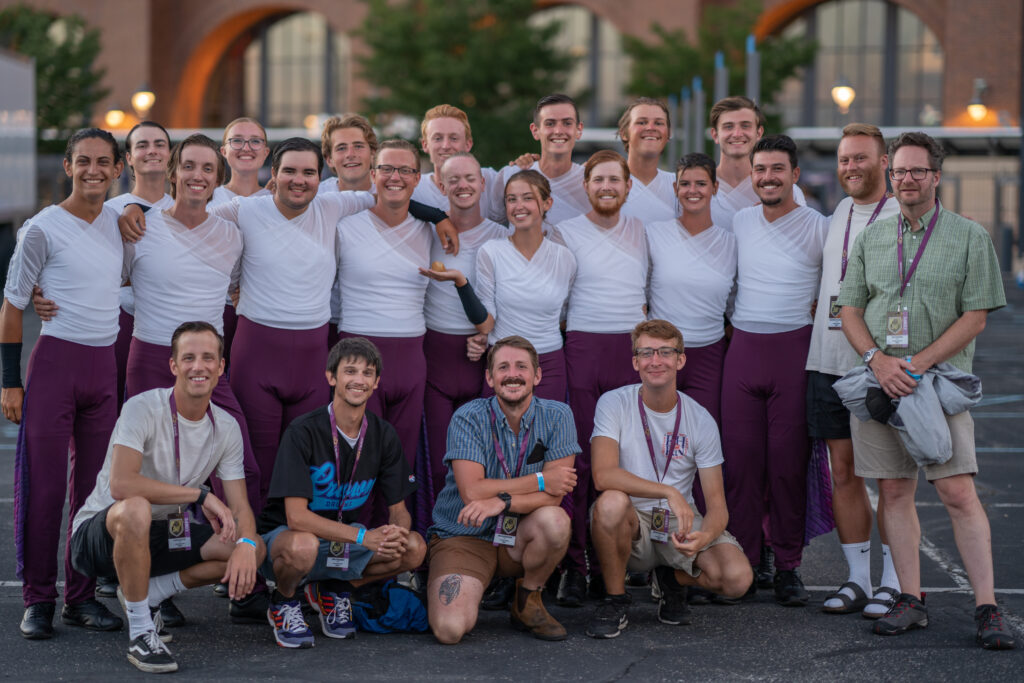 Choosing the right drum corps is a crucial decision for anyone passionate about marching at a pre-professional level. Whether you’re a seasoned marcher or a newcomer to the world of drum corps, here are some key considerations to help you find the best fit:
- Define Your Goals: Start by clarifying your objectives. Are you looking to improve your skills, gain performance experience, or compete at the highest level? Understanding your goals will guide your choices.
- Research Corps: Explore their websites, social media, and past performances to get a sense of their style, repertoire, and values.
- Talk to Current Members: Reach out to current and former members of the corps you’re interested in. Their firsthand experiences can provide valuable insights into the organization’s culture, leadership, and expectations.
- Consider Your Skill Level: Different corps cater to varying skill levels. Some are renowned for their elite, world-class status, while others focus on developing young talent. Choose a corps that matches your current abilities but also challenges you to improve.
- Financial Considerations: Understand the financial commitment required. Look for scholarships, payment plans, or fundraising opportunities to ease the financial burden.
- Rehearsal Schedule: Evaluate the rehearsal schedule. Some corps have intensive year-round programs, while others offer a less demanding schedule, which may be more suitable if you have other commitments like school or work.
- Instructors and Staff: Assess the quality and experience of the instructors and staff members. A talented and dedicated team can greatly impact your development as a performer.
- Touring Plans: Review the touring plans of the drum corps. Consider your availability for summer tours and the destinations they plan to visit. Ensure it aligns with your personal commitments.
- Audition Process: Understand the audition process, including dates, requirements, and expectations. Prepare adequately and attend auditions for your selected corps.
- Culture and Values: Consider the culture and values of the corps. Some may prioritize competition and winning, while others emphasize personal growth and camaraderie. Choose an organization that aligns with your values and aspirations.
- Long-Term Goals: Think about your long-term involvement with drum corps. Some members join for a single season, while others commit to multiple years. Plan accordingly.
- Trust Your Instincts: Finally, trust your instincts. If a corps feels like the right fit, it probably is. Your passion and dedication will play a significant role in your success and enjoyment.
In conclusion, selecting the best drum corps for you requires thoughtful consideration of your goals, skills, finances, and personal preferences. By researching, talking to current members, and evaluating the factors mentioned above, you can make an informed choice that will provide a fulfilling and rewarding drum corps experience.
Drum Corps, Marching Band

Drum corps and marching bands share many similarities, but they are distinct in several key ways. Both are musical ensembles that perform while marching, but their purposes, styles, and levels of competition set them apart.
- Competitive Focus:
- Drum Corps: Drum corps, also known as drum and bugle corps, are highly competitive. These groups are often composed of young adults, typically aged 16 to 22, and they compete at the highest level in events like Drum Corps International (DCI) competitions. The primary focus is on precision, skill, and entertainment, and members usually audition for limited spots.
- Marching Band: Marching bands, on the other hand, can be found in high schools, colleges, and universities. While they also participate in competitions, their emphasis is often more on school spirit, halftime shows, and parades. Membership in a marching band is often open to a wider range of students with varying levels of experience.
- Instrumentation:
- Drum Corps: Drum corps typically use only brass instruments, percussion, and color guard performers. The instrumentation is more streamlined and specialized for a specific sound and style.
- Marching Band: Marching bands include a broader range of instruments, including woodwinds and a larger variety of brass instruments. This diversity allows for a wider musical repertoire and more flexibility in arrangements.
- Repertoire and Show Design:
- Drum Corps: Drum corps shows are known for their complexity and innovation. These shows often have a thematic concept, and the music, choreography, and visual elements are tightly integrated to create a cohesive and engaging performance.
- Marching Band: Marching bands may have thematic shows as well, but they tend to be less intricate and may focus more on entertaining the audience through popular music selections or traditional school songs.
- Professionalism and Time Commitment:
- Drum Corps: Members of drum corps often commit to an intensive summer tour, dedicating several weeks to months to rehearsing and competing. It’s a highly demanding and professional endeavor.
- Marching Band: While marching band members also rehearse and perform, the time commitment is usually less intense, with practices during the school year and occasional weekend events.
- Age and Educational Level:
- Drum Corps: Drum corps are typically composed of older, post-high school individuals, many of whom may be pursuing careers in music or the arts.
- Marching Band: Marching bands consist of students who are still in high school or college, and participation is often part of their education.
In summary, drum corps and marching bands are both remarkable forms of musical and visual expression, but their differences in focus, instrumentation, competition level, show design, professionalism, and membership demographics make each unique and cater to different interests and goals within the world of marching music.
Drum Corps
 Auditioning for a drum corps is a significant commitment, and it’s essential to be well-prepared to increase your chances of success. Drum corps are highly competitive and demanding, so here’s what you need to know before auditioning:
- Research the Corps: Start by researching different drum corps. Each corps has its unique style, repertoire, and level of competitiveness. Find one that aligns with your goals and skill level.
- Instrument Proficiency: You must be proficient on your chosen instrument (e.g., snare drum, trumpet, color guard equipment, etc.). Drum corps typically expect a high level of skill and performance ability.
- Technical Skills: Practice and improve your technical skills. This includes rudiments, scales (for brass players), dance/movement (for color guard), and other fundamentals specific to your instrument.
- Physical Fitness: Drum corps are physically demanding. You’ll be marching, spinning equipment (if in color guard), and performing for extended periods. Work on your endurance, strength, and flexibility to handle the physical demands.
- Mental Toughness: Corps members often spend long hours rehearsing in various weather conditions and under pressure. Develop mental toughness and discipline to endure rigorous rehearsals and performances.
- Music and Drill Knowledge: Familiarize yourself with the corps’ repertoire and drill. Study the music, understand the show design, and be ready to perform it at the audition.
- Audition Material: Pay close attention to the audition requirements provided by the corps. Practice the audition material they provide (scales, exercises, excerpts, etc.) and be able to perform it accurately.
- Sight-Reading: Be prepared for sight-reading assessments. Drum corps often want to assess your ability to learn new music quickly.
- Attire and Appearance: Dress neatly and professionally for auditions. Follow any specific attire guidelines provided by the corps.
- Financial Commitment: Understand the financial commitment required to participate in a drum corps. This includes membership dues, travel expenses, and personal equipment costs. Be prepared to fundraise or seek sponsorships if needed.
- Time Commitment: Drum corps rehearsals can be intense, with full-day or even week-long camps. Be ready to commit your time during the rehearsal season.
- Attitude and Work Ethic: Show a positive attitude, strong work ethic, and willingness to learn and improve. Corps directors often value attitude and character as much as musical and technical skills.
- Audition Fee: Be aware that there may be an audition fee to cover administrative costs.
- Logistics: Plan for transportation to auditions and potential summer tour locations if you make the corps.
- Plan for Rejection: Drum corps auditions are highly competitive, and not everyone makes it on their first attempt. Be prepared for the possibility of rejection and consider trying again in the future.
- Seek Feedback: If you don’t make it, ask for feedback from the staff to understand areas for improvement.
- Stay Informed: Keep up with updates and announcements from the corps, and ensure you meet all deadlines and requirements.
Auditioning for a drum corps can be a life-changing experience, offering incredible personal growth and musical development. However, it’s essential to be well-prepared, physically and mentally, and to approach the audition process with dedication and humility. Good luck!
