Participating in a marching band can provide students with a wide range of valuable experiences and benefits. Here are 11 reasons why your child should be in marching band:
Musical Skills: Marching band members typically play musical instruments, which allows them to improve their musical proficiency. They learn to read sheet music, develop their instrumental technique, and enhance their understanding of music theory.
Teamwork and Collaboration: Marching band is a highly collaborative activity. Students must work together as a cohesive unit to achieve precision and synchronization in their movements and music. This fosters teamwork, communication, and cooperation.
Discipline and Time Management: Being part of a marching band requires students to dedicate time to practice and rehearsal. This helps them develop discipline, time management skills, and a strong work ethic, which can benefit them in other aspects of life.
Physical Fitness: Marching band involves physical activity, including marching, playing instruments, and often dance or choreography. This can contribute to improved physical fitness, stamina, and coordination.
Leadership Opportunities: Many marching bands have leadership positions, such as drum majors, section leaders, and captains. Students can develop leadership skills by taking on these roles, which can be valuable in future endeavors.
Performance Experience: Marching band members have the opportunity to perform at various events, including football games, parades, competitions, and concerts. Performing in front of an audience helps build confidence and stage presence.
Creativity and Artistic Expression: Marching bands often incorporate visual and artistic elements into their performances through choreography, formations, and costumes. This allows students to express their creativity and artistic talents.
Social Connections: Marching band can be a great way for students to make friends and build a sense of belonging. The close-knit nature of the group often leads to strong friendships and a supportive community for students and parents alike!
Character Development: Through the challenges and demands of marching band, students can develop qualities such as perseverance, resilience, and a commitment to excellence.
Scholarship Opportunities: Some students may be eligible for scholarships or financial assistance related to their participation in marching band, especially if they excel in their musical abilities or leadership roles.
College and Career Benefits: Participation in marching band can enhance a student’s college application by showcasing their dedication, teamwork, and leadership.
Overall, being in a marching band offers a well-rounded experience that combines music, physical activity, teamwork, and personal growth, all of which can have a positive and lasting impact on a student’s life.
Being a supportive and involved marching band parent is a rewarding experience, and it can greatly contribute to your child’s success and enjoyment in the activity. Here are some tips and advice for marching band parents:
Understand the Commitment: Recognize that marching band is a significant time commitment. Band members often have long rehearsals, weekend competitions, and summer band camps. Understanding this commitment is essential for both you and your child.
Attend Parent Meetings: Attend parent meetings and stay informed about band events, schedules, and expectations. This will help you understand what’s happening and allow you to support your child accordingly.
Volunteer and Get Involved: Offer your time and skills to help the band program. Whether it’s chaperoning events, assisting with fundraising, or helping with uniform fittings, your involvement is crucial and appreciated.
Support Fundraising Efforts: Marching bands often rely on fundraising to cover expenses. Participate actively in fundraising activities to help alleviate financial burdens on the program and its members.
Provide Emotional Support: Marching band can be physically and mentally demanding. Be there to offer emotional support, encouragement, and reassurance when your child faces challenges or frustrations.
Stay Informed About Instruments and Equipment: Familiarize yourself with your child’s instrument and any equipment they use. This knowledge can help you better understand their needs and assist with maintenance and repairs.
Encourage Time Management: Help your child develop time management skills. Balancing academics, rehearsals, and other activities can be challenging, so offering guidance can be beneficial.
Be Respectful and Considerate: Show respect for the band director, instructors, and other band parents. Encourage positive communication and cooperation among all involved.
Attend Performances: Show your support by attending band performances, competitions, and games. Your presence means a lot to your child and the entire band.
Prepare for Weather: Outdoor rehearsals and performances can be affected by various weather conditions. Ensure your child is dressed appropriately and has the necessary gear, like sunscreen, hats, and rain jackets.
Encourage Healthy Habits: Promote a healthy lifestyle by encouraging your child to get enough sleep, eat well, and stay hydrated. Physical and mental well-being are crucial for success in marching band.
Respect Boundaries: Recognize that your child is growing and gaining independence. Give them space to make decisions, but also be available when they need guidance or assistance.
Celebrate Achievements: Celebrate your child’s accomplishments and milestones in the band. Recognize their hard work and dedication.
Connect with Other Parents: Build relationships with other marching band parents. This can provide a strong support network and create a sense of community within the band.
Stay Positive: Maintain a positive attitude, even during challenging times. Your enthusiasm and encouragement can have a significant impact on your child’s motivation and enjoyment of marching band.
Remember that marching band can be a transformative experience for your child, teaching them valuable life skills like teamwork, discipline, and time management. Your role as a supportive parent can enhance their experience and contribute to their personal and musical growth.
Auditioning for a drum corps is a significant commitment, and it’s essential to be well-prepared to increase your chances of success. Drum corps are highly competitive and demanding, so here’s what you need to know before auditioning:
Research the Corps: Start by researching different drum corps. Each corps has its unique style, repertoire, and level of competitiveness. Find one that aligns with your goals and skill level.
Instrument Proficiency: You must be proficient on your chosen instrument (e.g., snare drum, trumpet, color guard equipment, etc.). Drum corps typically expect a high level of skill and performance ability.
Technical Skills: Practice and improve your technical skills. This includes rudiments, scales (for brass players), dance/movement (for color guard), and other fundamentals specific to your instrument.
Physical Fitness: Drum corps are physically demanding. You’ll be marching, spinning equipment (if in color guard), and performing for extended periods. Work on your endurance, strength, and flexibility to handle the physical demands.
Mental Toughness: Corps members often spend long hours rehearsing in various weather conditions and under pressure. Develop mental toughness and discipline to endure rigorous rehearsals and performances.
Music and Drill Knowledge: Familiarize yourself with the corps’ repertoire and drill. Study the music, understand the show design, and be ready to perform it at the audition.
Audition Material: Pay close attention to the audition requirements provided by the corps. Practice the audition material they provide (scales, exercises, excerpts, etc.) and be able to perform it accurately.
Sight-Reading: Be prepared for sight-reading assessments. Drum corps often want to assess your ability to learn new music quickly.
Attire and Appearance: Dress neatly and professionally for auditions. Follow any specific attire guidelines provided by the corps.
Financial Commitment: Understand the financial commitment required to participate in a drum corps. This includes membership dues, travel expenses, and personal equipment costs. Be prepared to fundraise or seek sponsorships if needed.
Time Commitment: Drum corps rehearsals can be intense, with full-day or even week-long camps. Be ready to commit your time during the rehearsal season.
Attitude and Work Ethic: Show a positive attitude, strong work ethic, and willingness to learn and improve. Corps directors often value attitude and character as much as musical and technical skills.
Audition Fee: Be aware that there may be an audition fee to cover administrative costs.
Logistics: Plan for transportation to auditions and potential summer tour locations if you make the corps.
Plan for Rejection: Drum corps auditions are highly competitive, and not everyone makes it on their first attempt. Be prepared for the possibility of rejection and consider trying again in the future.
Seek Feedback: If you don’t make it, ask for feedback from the staff to understand areas for improvement.
Stay Informed: Keep up with updates and announcements from the corps, and ensure you meet all deadlines and requirements.
Auditioning for a drum corps can be a life-changing experience, offering incredible personal growth and musical development. However, it’s essential to be well-prepared, physically and mentally, and to approach the audition process with dedication and humility. Good luck!

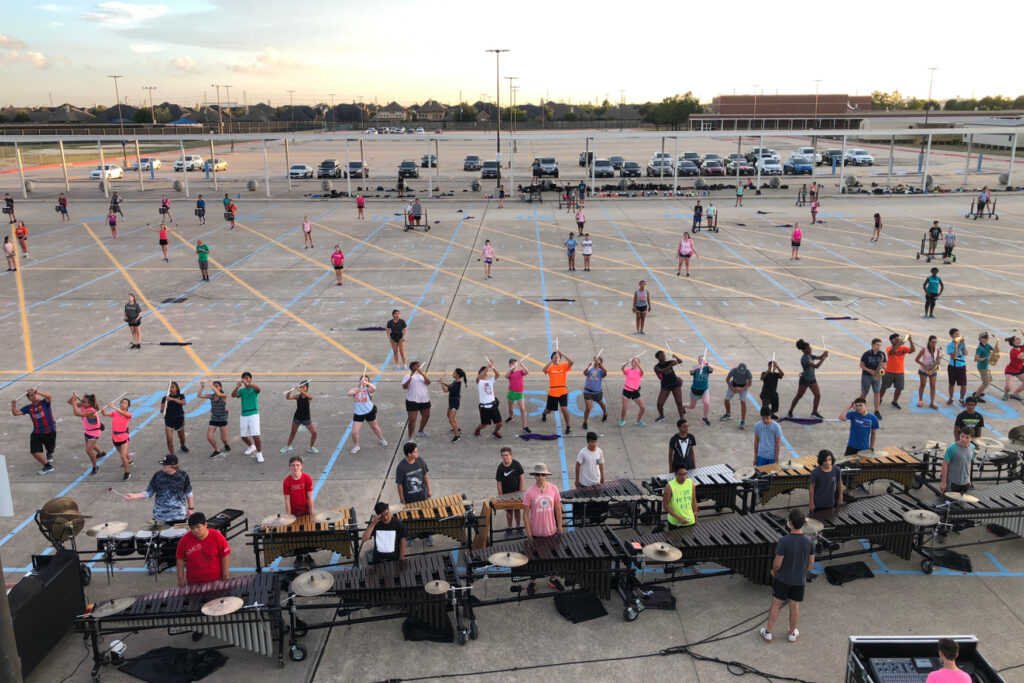 Participating in a marching band can provide students with a wide range of valuable experiences and benefits. Here are 11 reasons why your child should be in marching band:

 Auditioning for a drum corps is a significant commitment, and it’s essential to be well-prepared to increase your chances of success. Drum corps are highly competitive and demanding, so here’s what you need to know before auditioning: